Helping a Loved One Learn Without Becoming Tech Support
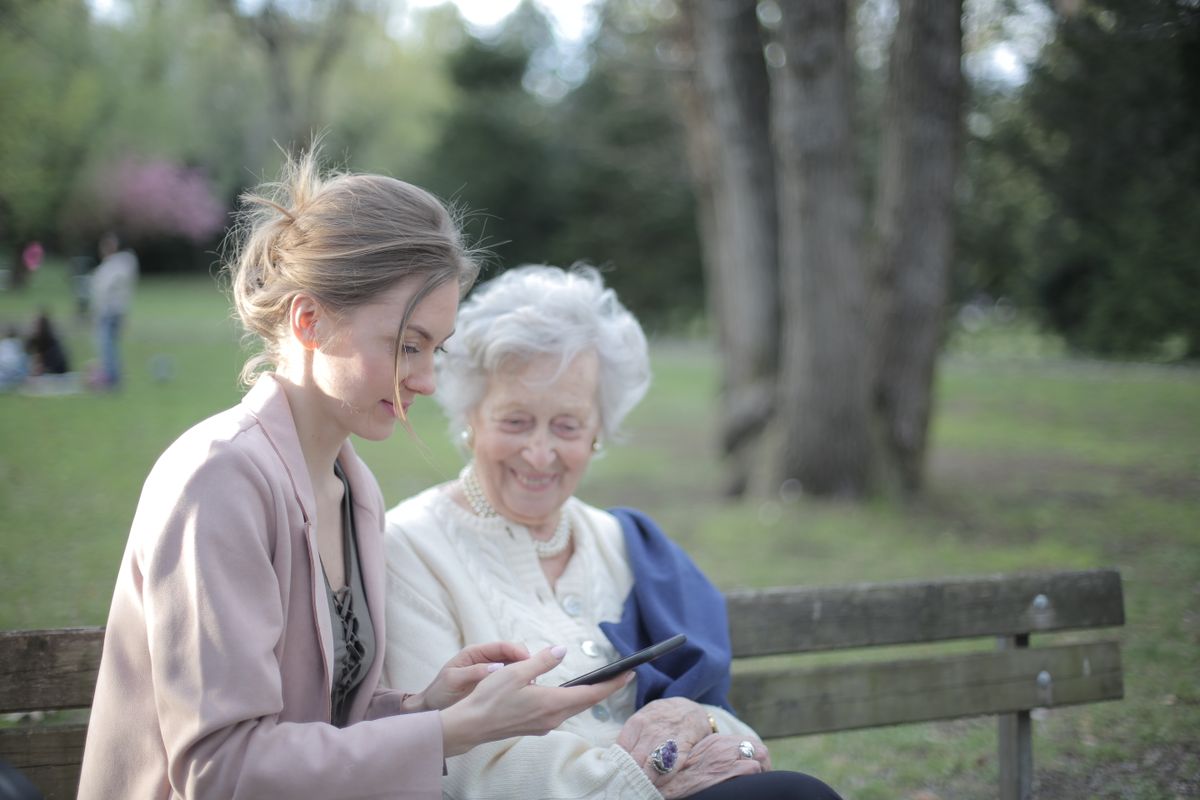
What you'll learn: The evidence-backed behaviors that turn family help into durable learning — drawn from the CSCW family-tech study, self-efficacy trials, and caregiver-training research.
The big shift: Families default to doing tasks for their loved ones. The research says the effective move is scaffolding — making the learner capable, not the task done.
Reading time: ~5 minutes
- Tang et al. 2022: the families where older adults grew in capability were the ones where helpers shifted from fixing to teaching.
- Laganà's RCT: self-efficacy — the belief that the next task is learnable — is the variable that predicts persistence.
- Heliyon 2025: family behavior measurably shapes whether older adults intend to keep using technology at all.
The trap of helpfulness
Tang and colleagues' CSCW study observed the default pattern: a family member encounters a relative's tech problem, fixes it, leaves. Efficient, loving — and capability-negative. The older adult ends each interaction exactly as able as before, plus a little more convinced the task is beyond them.
The families in the study whose older relatives genuinely learned had discovered the alternative: the helper narrates, the learner's hands stay on the device, and errors get treated as normal steps rather than evidence of inability.
The variable that predicts persistence
The training literature names the mechanism: self-efficacy. Laganà and colleagues' randomized trial showed structured training raised computer self-efficacy in older adults — and self-efficacy, more than any single skill, predicts whether a learner attempts the next unfamiliar task.
Every family interaction either builds that belief or erodes it. The Heliyon 2025 study confirmed the stakes are measurable: family members' behavior significantly shapes whether aging adults intend to continue using technology.
A short list that works
Distilled from the studies: let them hold the device; narrate rather than grab; repeat without sighing; write steps in their words, not yours; celebrate the attempt, not just the success; and schedule it — learning survives on routine, not rescue calls.
None of this requires technical expertise. It requires the patience to teach at the learner's pace — which, the evidence suggests, is the one thing the help-desk instinct can't substitute.
Sources
Talk to us