Caregiving in America: The Numbers, and What Actually Helps
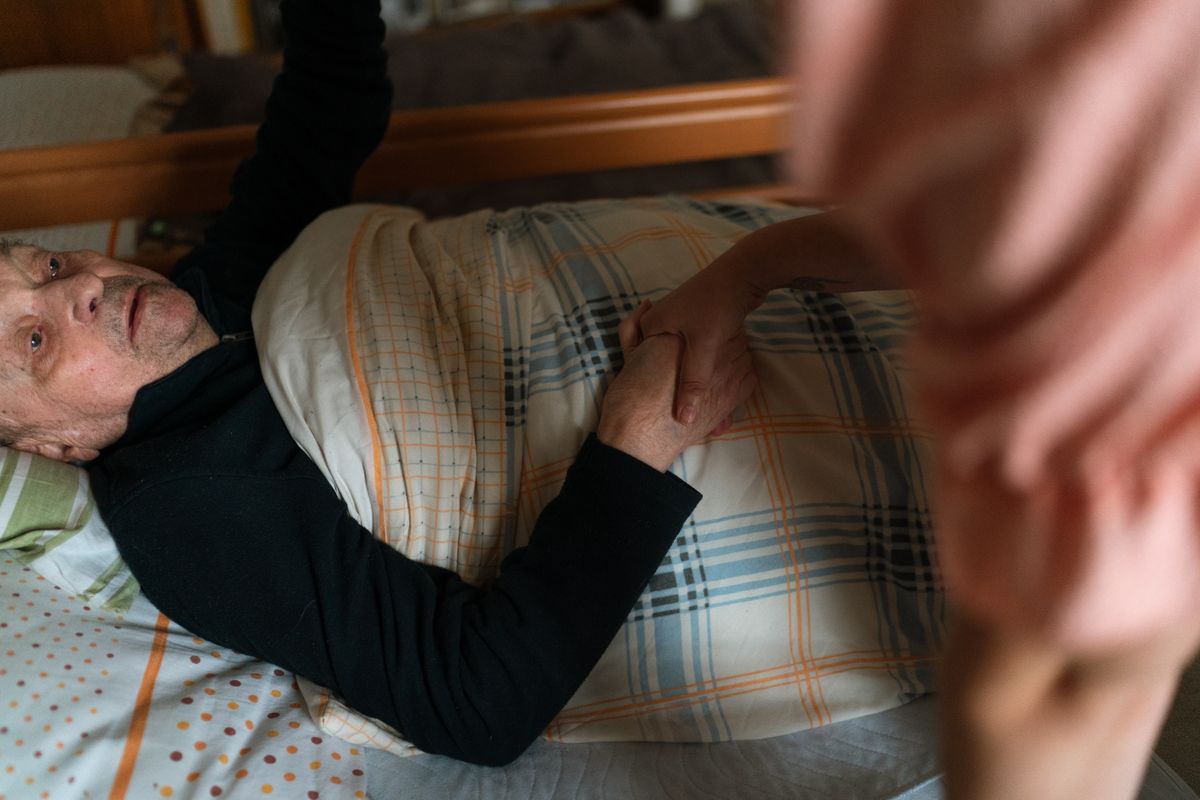
What you'll learn: The scale of family caregiving in the newest AARP census, what the burden looks like in Pew's data, and what a randomized trial of caregiver training demonstrated.
The big shift: Caregiver support has moved from advice literature to trial evidence: training caregivers in structured activities produces measurable outcomes for both members of the dyad.
Reading time: ~6 minutes
- AARP's 2025 Caregiving in the US report counts roughly 60+ million family caregivers — the largest measured to date.
- Pew's caregiver research documents the time, emotional, and financial load carried by the typical family caregiver.
- A 2023 systematic-trial evidence base (J Clin Nurs) shows caregiver training improves cognitive and functional outcomes in the older adults they support — n=160 in the key trial.
The scale of the role
AARP's Caregiving in the US 2025 report — the field's definitive census — counts more than 60 million Americans providing unpaid care to an adult. The typical caregiver is a working adult, most often a daughter or spouse, fitting care around employment.
Pew's earlier caregiver research sketched the personal shape of the role: hours of weekly assistance, decision-making responsibility, and the emotional load of watching a parent's capabilities change.
What the intervention evidence shows
The most practically useful finding in the caregiving literature is that caregiver capability is trainable. A randomized controlled trial evidence base reviewed in the Journal of Clinical Nursing (2023, key trial n=160) found that structured caregiver training — teaching caregivers how to support cognitive and functional activities — improved outcomes in the older adults receiving the care.
This matters because most caregiver support stops at emotional reassurance. The evidence supports something more concrete: caregivers who learn specific, structured ways to engage their loved one produce measurable functional benefit — while gaining the confidence that comes from knowing what to do.
The learning angle caregivers miss
Cognitive engagement is a consistent thread in the caregiving evidence: the same stimulating-activity research that applies to older adults applies doubly inside a caregiving relationship, where the caregiver controls much of the day's structure.
The studies converge on the same quiet conclusion: a caregiver who brings structured, appropriate mental engagement into the routine is delivering an intervention — one that happens to look like conversation, games, and shared activities.
Sources
Talk to us